
Moscow denies plans for a phone call between Putin and Trump and reveals details of the CIA director's visit
The Kremlin denies plans for a phone call between Putin and Trump, and reports reveal that the CIA director conveyed intelligence to Moscow about Russia's losses in Ukraine.
Story
The Kremlin denied on Friday any plans for a phone call between Russian President Vladimir Putin and his American counterpart Donald Trump, amid ongoing speculation about the nature of diplomatic channels between Moscow and Washington.
Russian presidential spokesman Dmitry Peskov told reporters that there are currently no arrangements for a phone call between the two presidents, without providing further details on the reasons or potential timing for such a call.
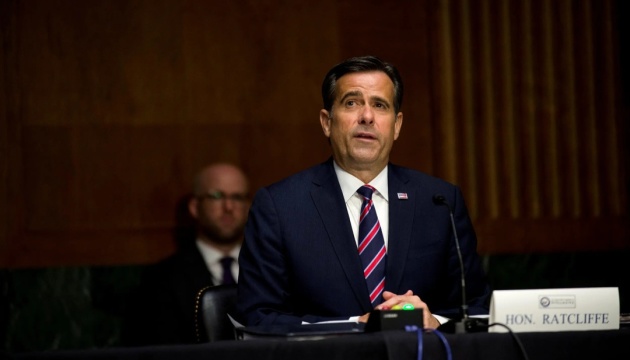
In a related context, Peskov commented on the reasons that prevented the Russian president from meeting with U.S. Central Intelligence Agency Director John Ratcliffe during his recent visit to Moscow, without disclosing the nature of those reasons.
Russian Foreign Minister Sergei Lavrov had earlier indicated that the CIA director and the Vatican's head of diplomacy, Paul Richard Gallagher, visited Russia "on the same day" for talks, raising questions about the nature of these simultaneous visits.
In a notable development, the American newspaper The New York Times revealed that Ratcliffe, during his visit to Moscow, handed the head of the Russian Federal Security Service unwelcome intelligence about Russia's real situation in its war against Ukraine, including the scale of losses suffered by Russian forces, which are not fully reported to President Putin.
According to the newspaper, the CIA director urged the Russian side to agree to a peace deal before the situation deteriorates further, a message that observers considered an American attempt to pressure Moscow to end the war.
These developments come at a time when Russian-American relations are in a state of stagnation, with the war in Ukraine continuing and mutual accusations between the two sides over obstructing peace efforts.
Western reports had indicated that Ratcliffe's visit to Moscow also carried warnings to Russia against attacking NATO allies or continuing to support Iran, which has not been directly confirmed by official Russian or American sources.
This rare visit by the U.S. CIA director to Moscow raises questions about back-channel communications between the two countries, especially given the absence of direct contacts between the two presidents.
The messages conveyed by Ratcliffe to the Russian side appear to carry conflicting signals; on one hand, Washington affirms its desire to avoid escalation, and on the other, it attempts to inform Moscow of the field realities that might change its calculations.
No official comment has been issued from the American side regarding what The New York Times published, while the Kremlin merely confirmed that there are no plans for a phone call between Putin and Trump, without delving into the details of the visit or the content of the messages exchanged.